Adversarial
本文最后更新于:4 个月前
对对抗攻击的调研记录
分类
基于图像的
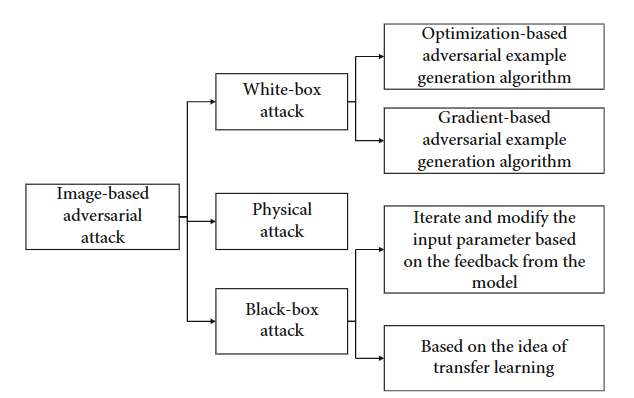
相关论文(安全顶会2016-2022)
Mahmood Sharif et al. [1] 2016/CCS
Nicolas Papernot et al. [2] 2017/CCS
Ali Shafahi et al. [3] 2018/NIPS
Yossi Adi et al. [4] 2018/USENIX
Yisroel Mirsky et al. [5] 2019/USENIX
Shang-Tse Chen et al. [6] 2019/ECML
PKDD Qixue Xiao et al. [7] 2019/USENIX
Yajie Wang et al. [8] 2020/JNCA
Jesús Solano et al. [9] 2020/CCS
Chang Liao et al. [10] 2020/CCS
Ilia Shumailov et al.[11] 2020/CCS
An Ju et al.[12] 2020/CCS
Sahar Abdelnabi and Mario Fritz.[13]2021/CCS
Luke E. Richards et al .[14]2021/CCS
Rauf Izmailov et al. [15]2021/CCS
Kim A B Midtlid et al.[16]2022/CCS
Jiawei Liu et al.[17]2022/CCS
Jan-Philipp Schulze et al.[18]2022/CCS
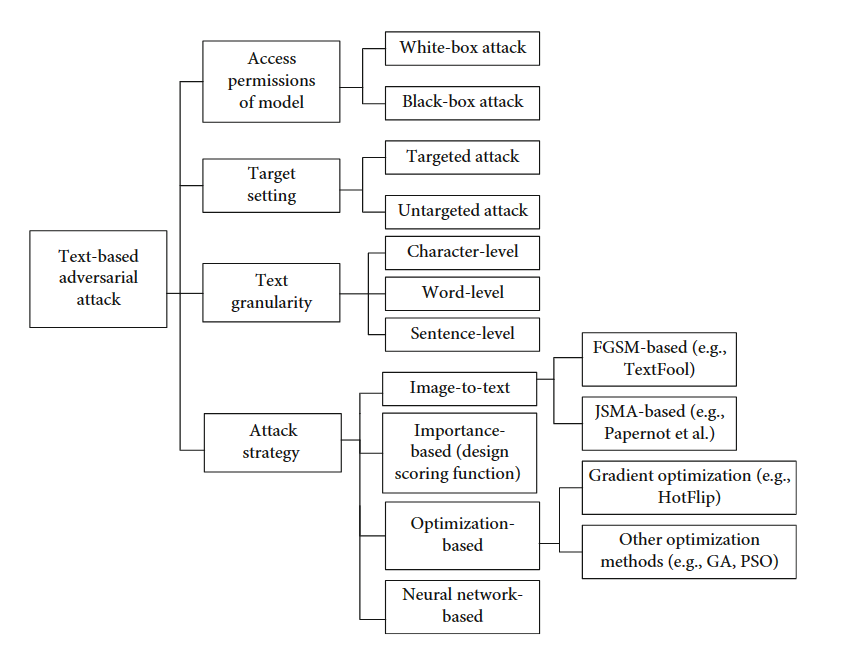
基于文本的
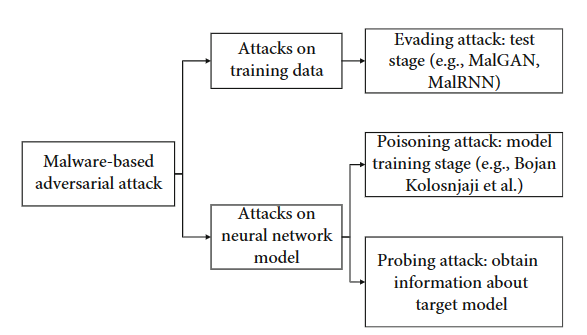
基于恶意软件的
DL
FGSM
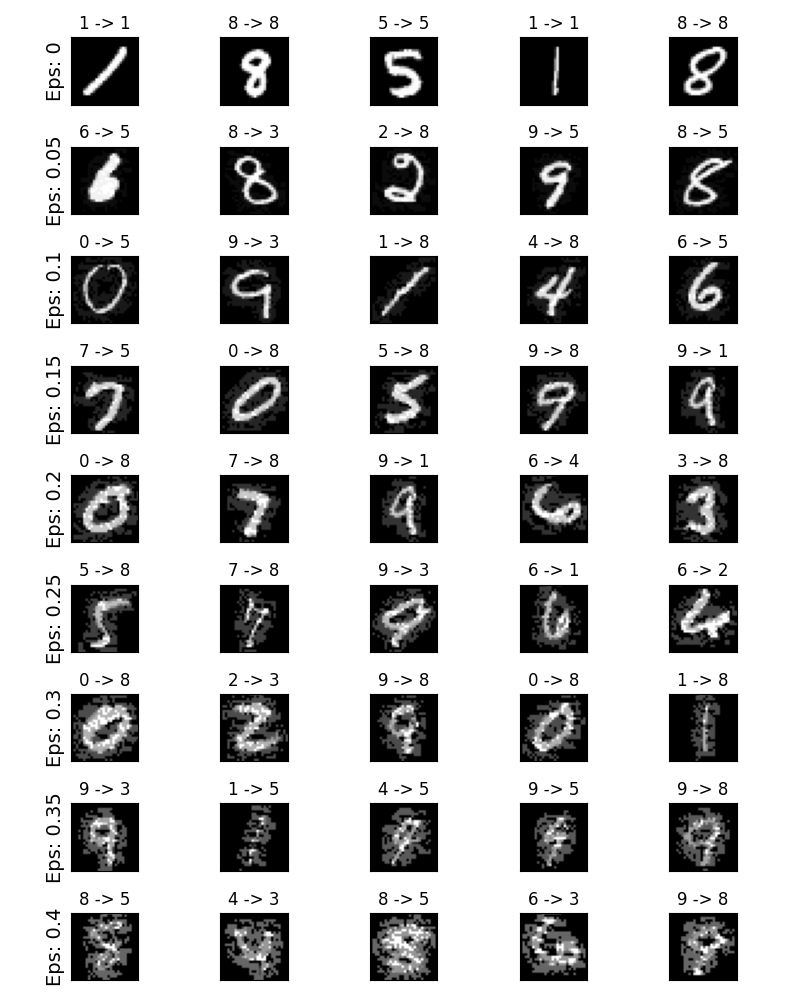
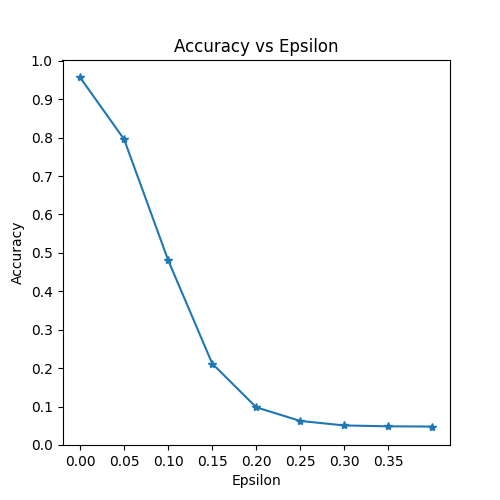
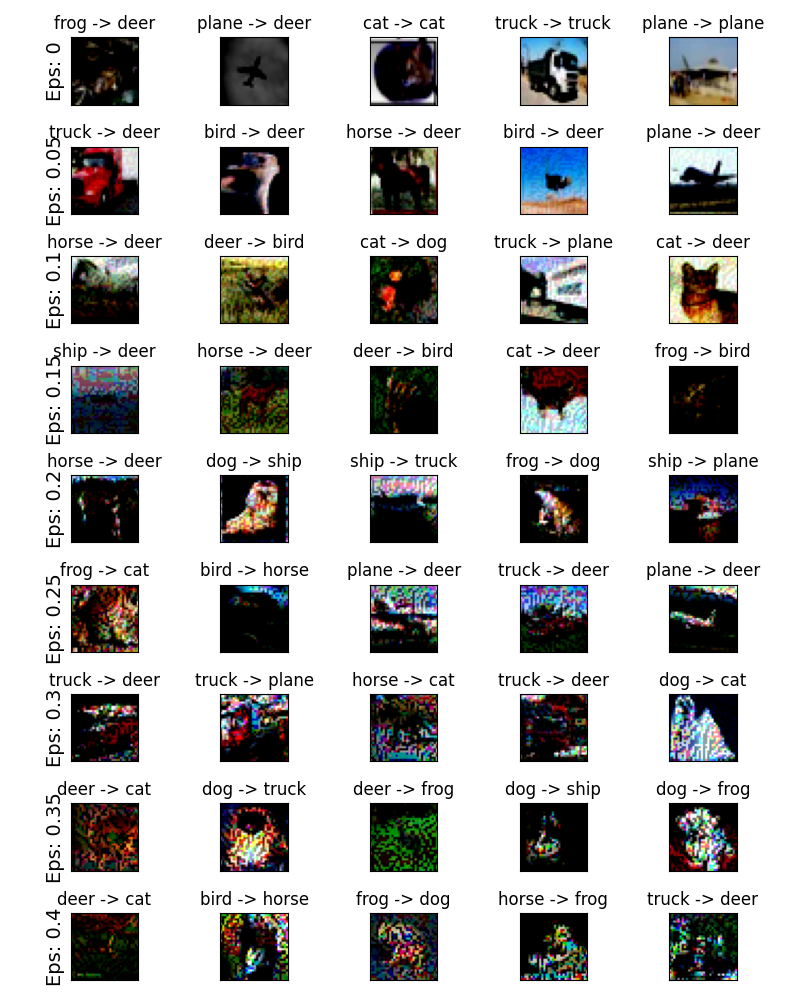
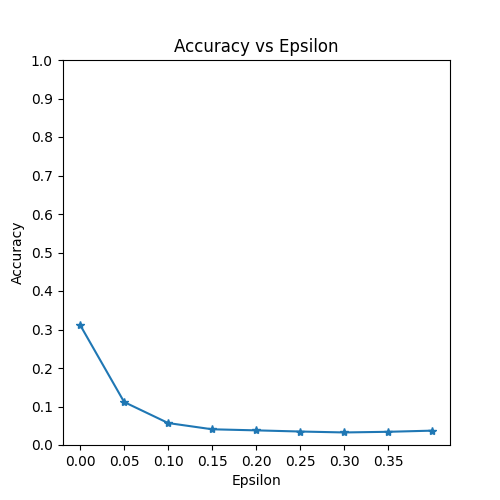
通过求出模型对输入的导数,然后用符号函数得到其具体的梯度方向,接着乘以一个步长,得到的“扰动”加在原来的输入上就得到了在FGSM攻击下的样本。
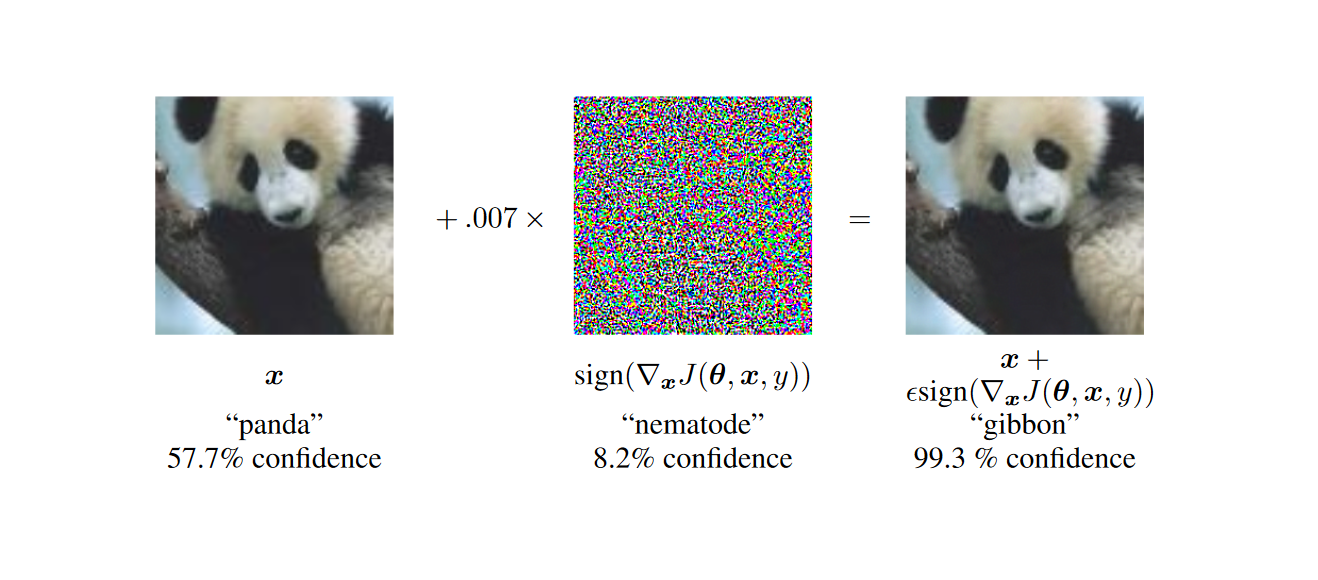
公式推导
:模型输入
:目标输出
:加入扰动的输入
:损失函数
:控制原图像与对抗样本之间的差异程度,值越大扰动越大,相对越易被观察到,
:权重w和偏移b的统称
:扰动
梯度下降
增加扰动
在处的泰勒展开
为泰勒展开中的项
容易得到
即
实验
LeNet+MNIST
LeNet+Cifar10
PGD
FGSM是仅仅做一次迭代,走一大步,而PGD是做多次迭代,每次走一小步,每次迭代都会将扰动clip到规定范围内
公式推导
待补充
实验
待补充
网络
CNN 经典网络
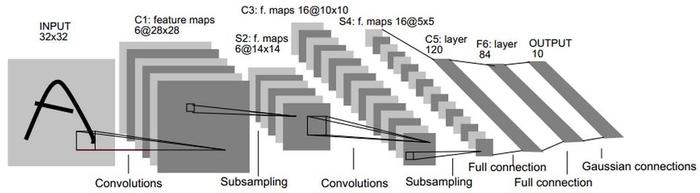
LeNet-5
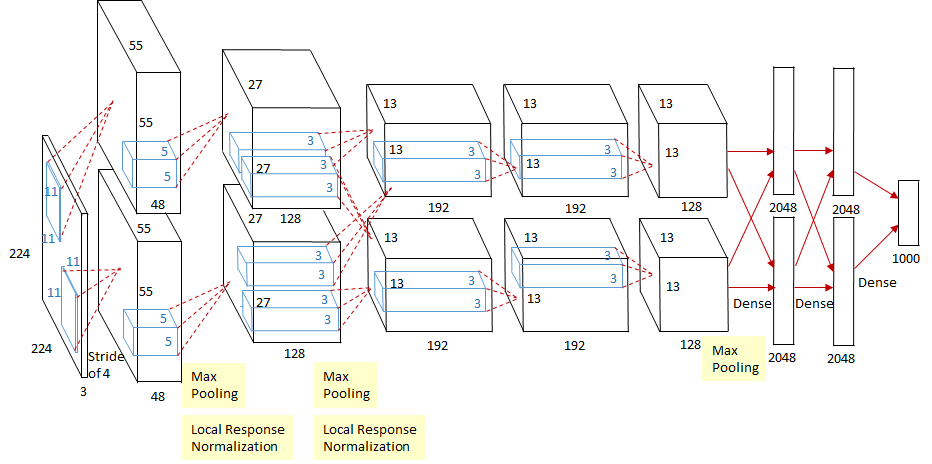
AlexNet
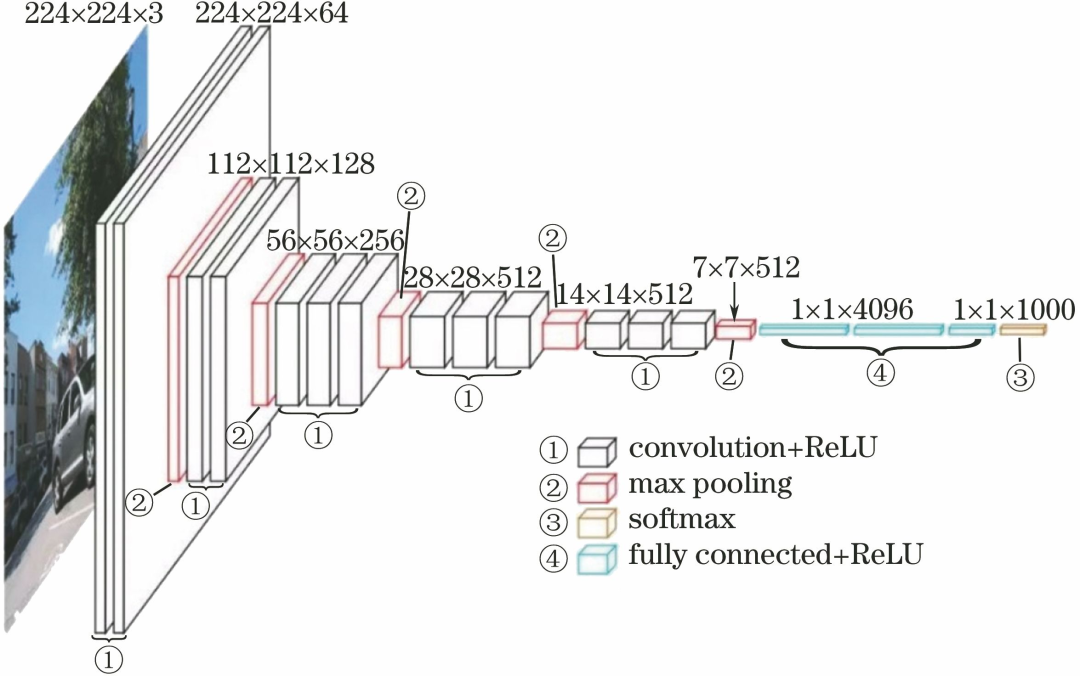
VGGNet
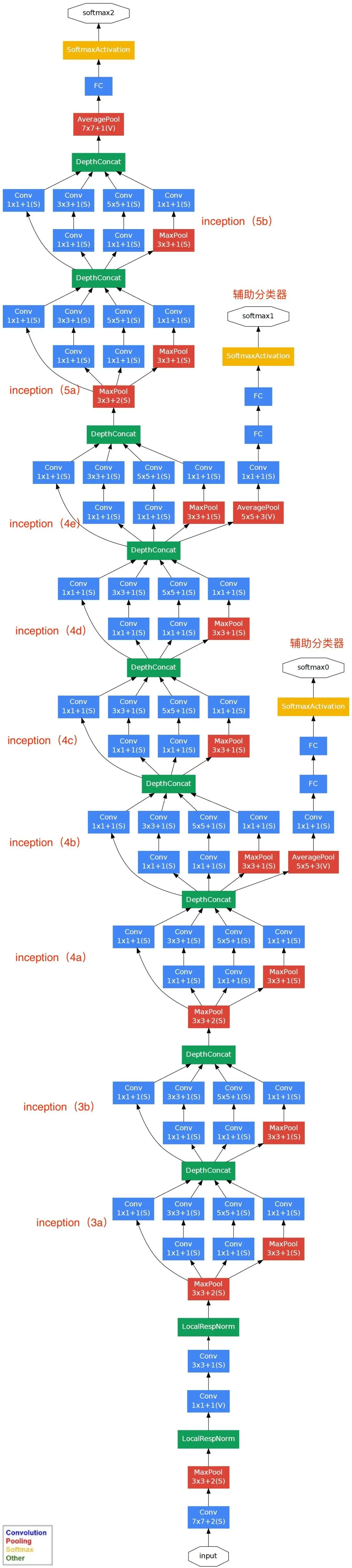
GoogLeNet
ResNet
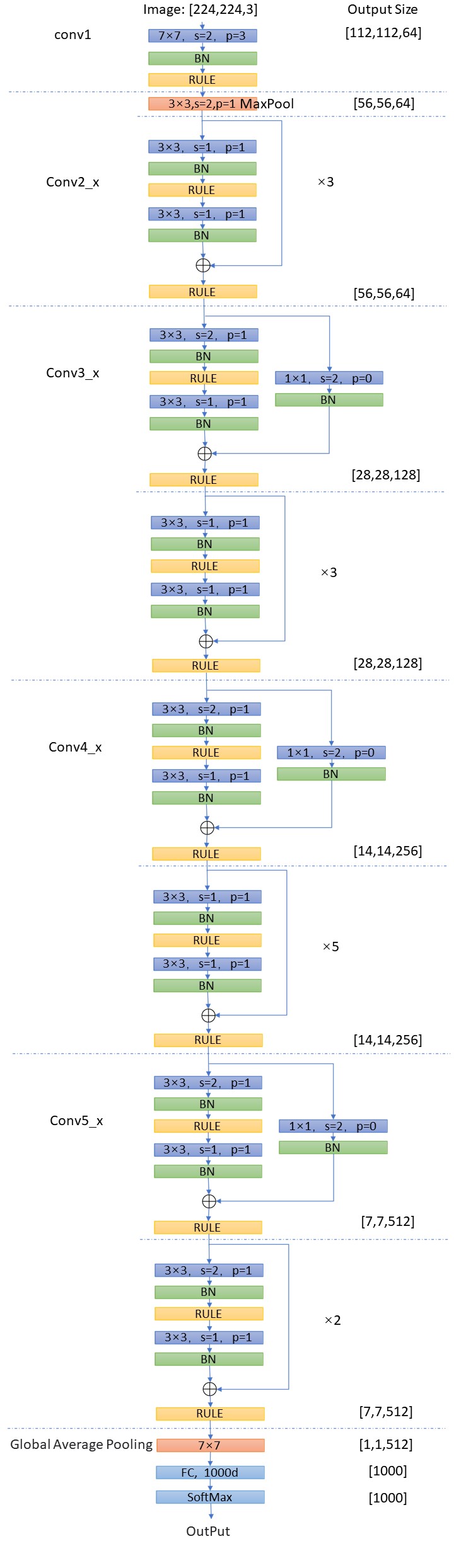
数据集
| 名称 | 分类 | 尺寸 | 训练样本 | 测试样本 | 验证样本 |
|---|---|---|---|---|---|
| MNIST | 10 | 28*28 | 60000 | 10000 | - |
| CIFAR-10 | 10 | 32*32 | 50000 | 10000 | - |
| Tiny ImageNet | 200 | >256*256 | 100000 | 10000 | 10000 |
| ImageNet | 1000 | >256*256 | 1200000 | 150000 | 50000 |
| WebVision | 1000 | >256*256 | 2400000 | 50000 | - |
| catVSdog | 2 | >256*256 | 25000 | 12500 | - |
MNIST
分类:10分类
图片大小:28 * 28
样本个数:60000个训练样本和10000个测试样本
CIFAR-10
分类:10分类
图片大小:32*32
样本个数:50000个训练样本和10000个测试样本
ImageNet
分类:1000分类
图片大小:256 * 256
样本个数:120万个训练样本和15万个测试样本和5万个验证样本
Tiny ImageNet
分类:200分类
图片大小:256 * 256
样本个数:10万个训练样本和1万个测试样本和1万个验证样本
WebVision
分类:1000分类
图片大小:256 * 256
样本个数:240万个训练样本和5万个测试样本
catVSdog
分类:2分类
图片大小:256 * 256
样本个数:25000个训练样本和12500个测试样本
参考
- M. Sharif, S. Bhagavatula, L. Bauer, and M. K. Reiter, Accessorize to a crime: real and stealthy attacks on state-of-the-art face recognition, in Proceedings of the 2016 ACM SIGSAC Conference on Computer and Communications Security, pp. 1528–1540, Vienna, Austria, 2016. ↩
- N. Papernot, P. McDaniel, I. Goodfellow, S. Jha, Z. B. Celik, and A. Swami, Practical black-box attacks against machine learning, in Proceedings of the 2017 ACM on Asia Conference on Computer and Communications Security, pp. 506–519, Abu Dhabi, United Arab Emirates, 2017. ↩
- A. Shafahi, W. R. Huang, M. Najibi et al., Poison frogs! Targeted clean-label poisoning attacks on neural networks,2018, https://arxiv.org/abs/1804.00792. ↩
- Y. Adi, C. Baum, M. Cisse, B. Pinkas, and J. Keshet, Turning your weakness into a strength: watermarking deep neural networks by backdooring, in 27th {USENIX} Security Symposium ({USENIX} Security 18), USENIX Association, USA, 2018. ↩
- Y. Mirsky, T. Mahler, I. Shelef, and Y. Elovici, CT-GAN: malicious tampering of 3D medical imagery using deep learning, in 28th Security Symposium Security 19, pp. 461–478, USA, 2019. ↩
- S. T. Chen, C. Cornelius, J. Martin, and D. H. P. Chau, Shape Shifter: Robust Physical Adversarial Attack on Faster R-CNN Object Detector: Recognizing Outstanding, [Ph.D. thesis], Springer, 2019. ↩
- Q. Xiao, Y. Chen, C. Shen, Y. Chen, and K. Li, Seeing is not believing: camouflage attacks on image scaling algorithms,28th {USENIX} Security Symposium ({USENIX} Security 19), pp. 443–460, USENIX Association, Santa Clara, CA, 2019. ↩
- Y. Wang, Y. Tan, W. Zhang, Y. Zhao, and X. Kuang, An adversarial attack on DNN-based black-box object detectors, Journal of Network and Computer Applications, vol. 161, p. 102634, 2020. ↩
- J. Solano, C. Lopez, E. Rivera, A. Castelblanco, L. Tengana, and M. Ochoa, SCRAP: synthetically composed replay attacks vs. adversarial machine learning attacks against mouse-based biometric authentication, in CCS '20: 2020 ACM SIGSAC Conference on Computer and Communications Security, pp. 37–47, 2020. ↩
- C. Liao, Y. Cheng, C. Fang, and J. Shi, Where does the robustness come from?: a study of the transformation-based ensemble defence, in Proceedings of the 13th ACM Workshop on Artificial Intelligence and Security, pp. 1–12, USA, 2020. ↩
- I. Shumailov, Y. Zhao, R. Mullins, and R. Anderson,Towards certifiable adversarial sample detection, in Proceedings of the 13th ACM Workshop on Artificial Intelligence and Security, pp. 13–24, USA, 2020. ↩
- J. An and D. Wagner, E-ABS: extending the analysis-bysynthesis robust classification model to more complex image domains, in CCS '20: 2020 ACM SIGSAC Conference on Computer and Communications Security, pp. 25–36, 2020. ↩
- S. Abdelnabi, M. Fritz, What’s in the Box: Deflecting Adversarial Attacks by Randomly Deploying Adversarially-Disjoint Models, in: Proceedings of the 8th ACM Workshop on Moving Target Defense, Association for Computing Machinery, Virtual Event, Republic of Korea, 2021: pp. 3–12. ↩
- L.E. Richards, A. Nguyen, R. Capps, S. Forsyth, C. Matuszek, E. Raff, Adversarial Transfer Attacks With Unknown Data and Class Overlap, in: Proceedings of the 14th ACM Workshop on Artificial Intelligence and Security, Association for Computing Machinery, Virtual Event, Republic of Korea, 2021: pp. 13–24. ↩
- R. Izmailov, P. Lin, S. Venkatesan, S. Sugrim, Combinatorial Boosting of Classifiers for Moving Target Defense Against Adversarial Evasion Attacks, in: Proceedings of the 8th ACM Workshop on Moving Target Defense, Association for Computing Machinery, Virtual Event, Republic of Korea, 2021: pp. 13–21. ↩
- K.A.B. Midtlid, J. Åsheim, J. Li, Magnitude Adversarial Spectrum Search-Based Black-Box Attack against Image Classification, in: Proceedings of the 15th ACM Workshop on Artificial Intelligence and Security, Association for Computing Machinery, Los Angeles, CA, USA, 2022: pp. 67–77. ↩
- J. Liu, Y. Kang, D. Tang, K. Song, C. Sun, X. Wang, W. Lu, X. Liu, Order-Disorder: Imitation Adversarial Attacks for Black-box Neural Ranking Models, in: 2022. ↩
- P.A. Sava, J.-P. Schulze, P. Sperl, K. Böttinger, Assessing the Impact of Transformations on Physical Adversarial Attacks, in: Proceedings of the 15th ACM Workshop on Artificial Intelligence and Security, Association for Computing Machinery, Los Angeles, CA, USA, 2022: pp. 79–90. ↩